Headland warnings
Fog-prone points made early beaconing a practical answer to uncertain coastal passage.
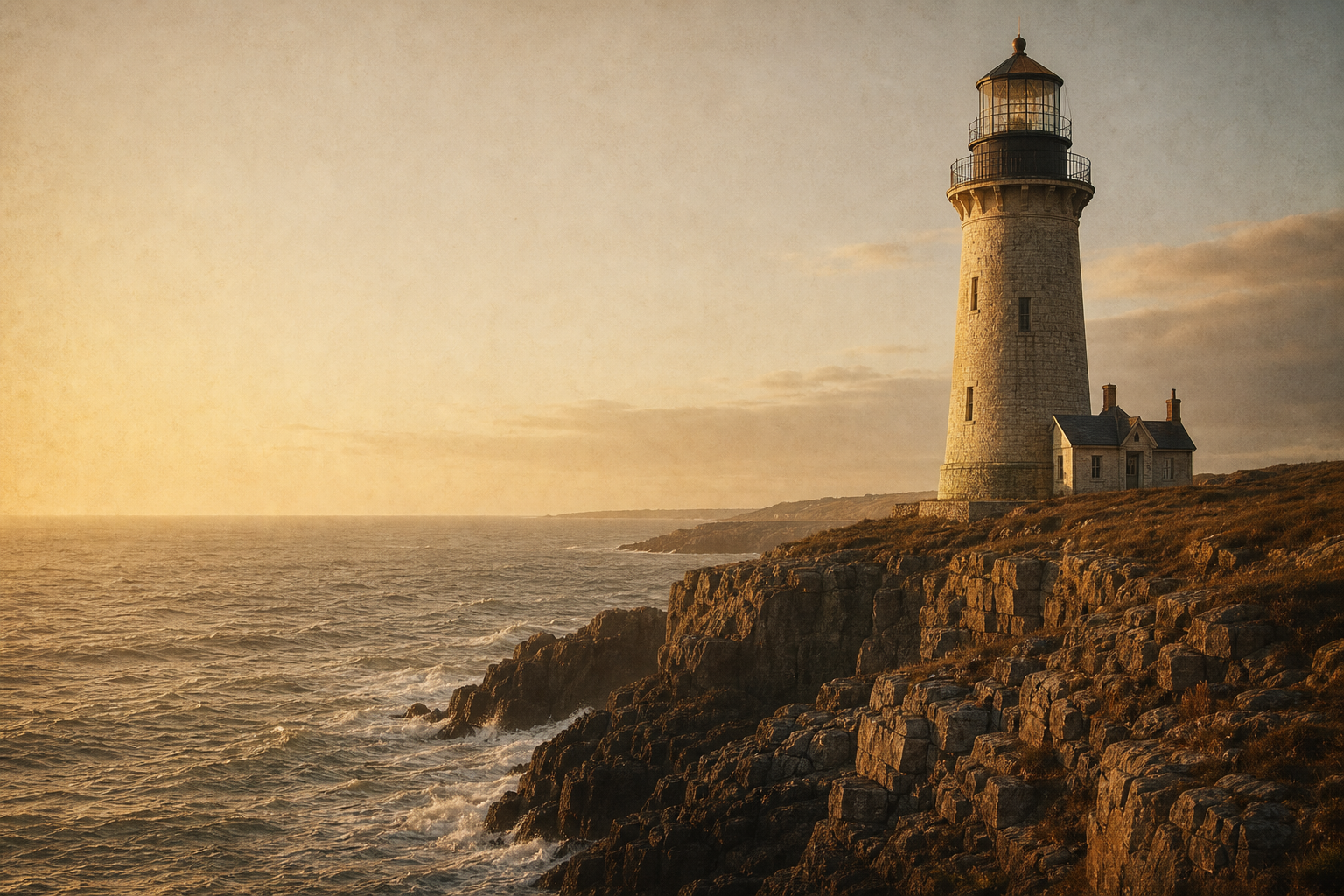
Explore preserved towers, archival photographs, and keeper accounts that trace the maritime heritage of the northern shoreline.
Orientation
A quick historical frame for how northern coast lights were placed, lived with, and carried forward.
Fog-prone points made early beaconing a practical answer to uncertain coastal passage.
Entrance lights marked the shift from open water to sheltered working harbors.
Daily routines, weather watching, and maintenance turned towers into lived coastal homes.
Community memory and heritage work reshaped retired stations into shared historical records.
This collection traces the northern coast through preserved towers, archival photographs, and lived accounts so you can move from shoreline geography to visual evidence and then into personal history without losing context.
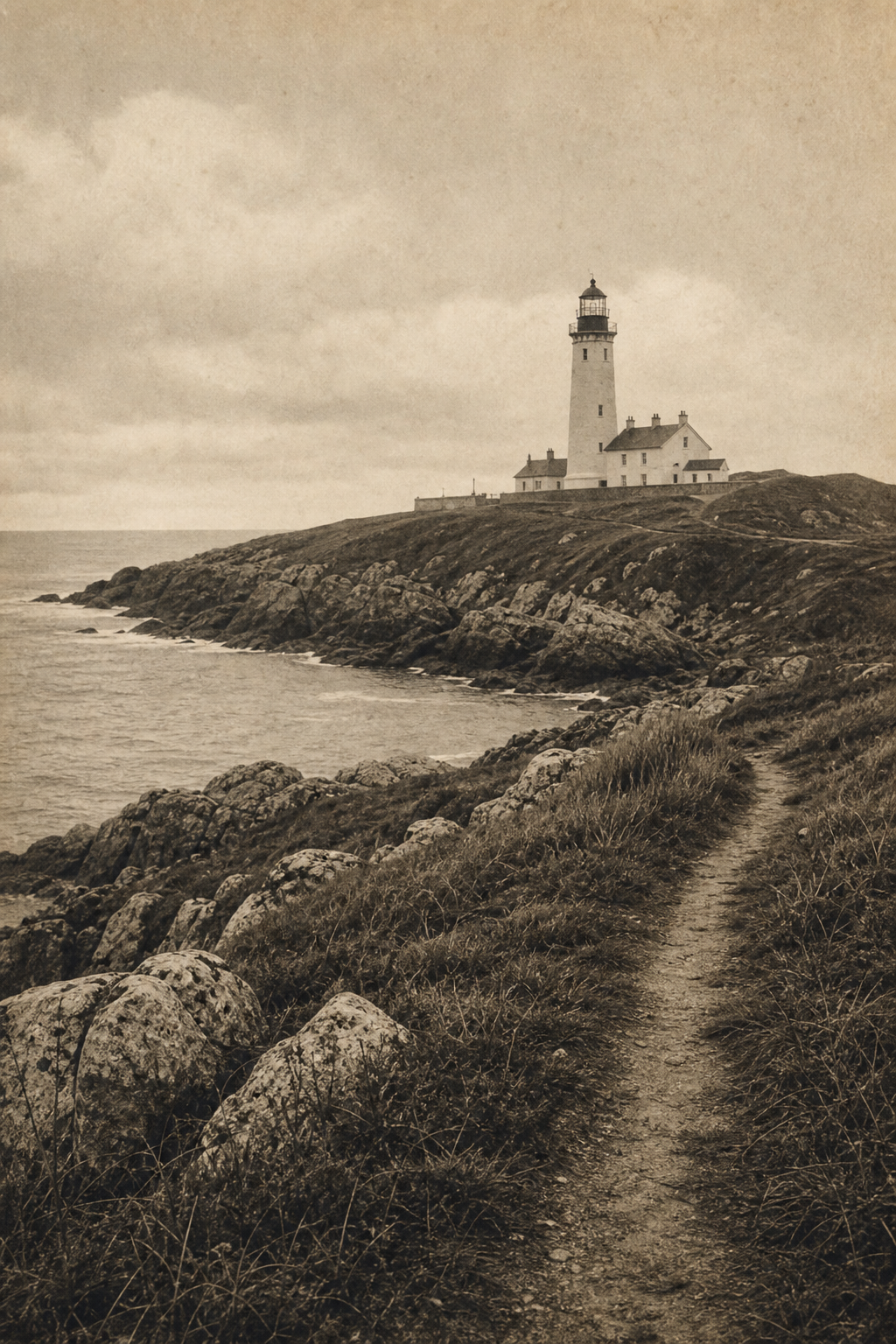
Follow the line of historic beacons and begin with four tower sites where architecture, weather, and keeper memory still meet.
Illustrated coastal index
Marker points represent preserved towers documented in the northern coast registry, arranged as a documentary map graphic rather than a literal survey chart.
Greycap Point
North Shoal Reach
Stone lantern tower rebuilt in 1886 after winter storm damage.
Harbor Fell Light
Inner Tide Gate
Cast-iron gallery and keeper dwelling preserved with original fog bell frame.
Driftstone Beacon
Outer Kelp Channel
Timber-clad daymark adapted to a modern lamp while retaining 19th-century profile.
Northwatch Tower
Cliffline Passage
Granite watch platform where logbooks record keepers through two wartime decades.